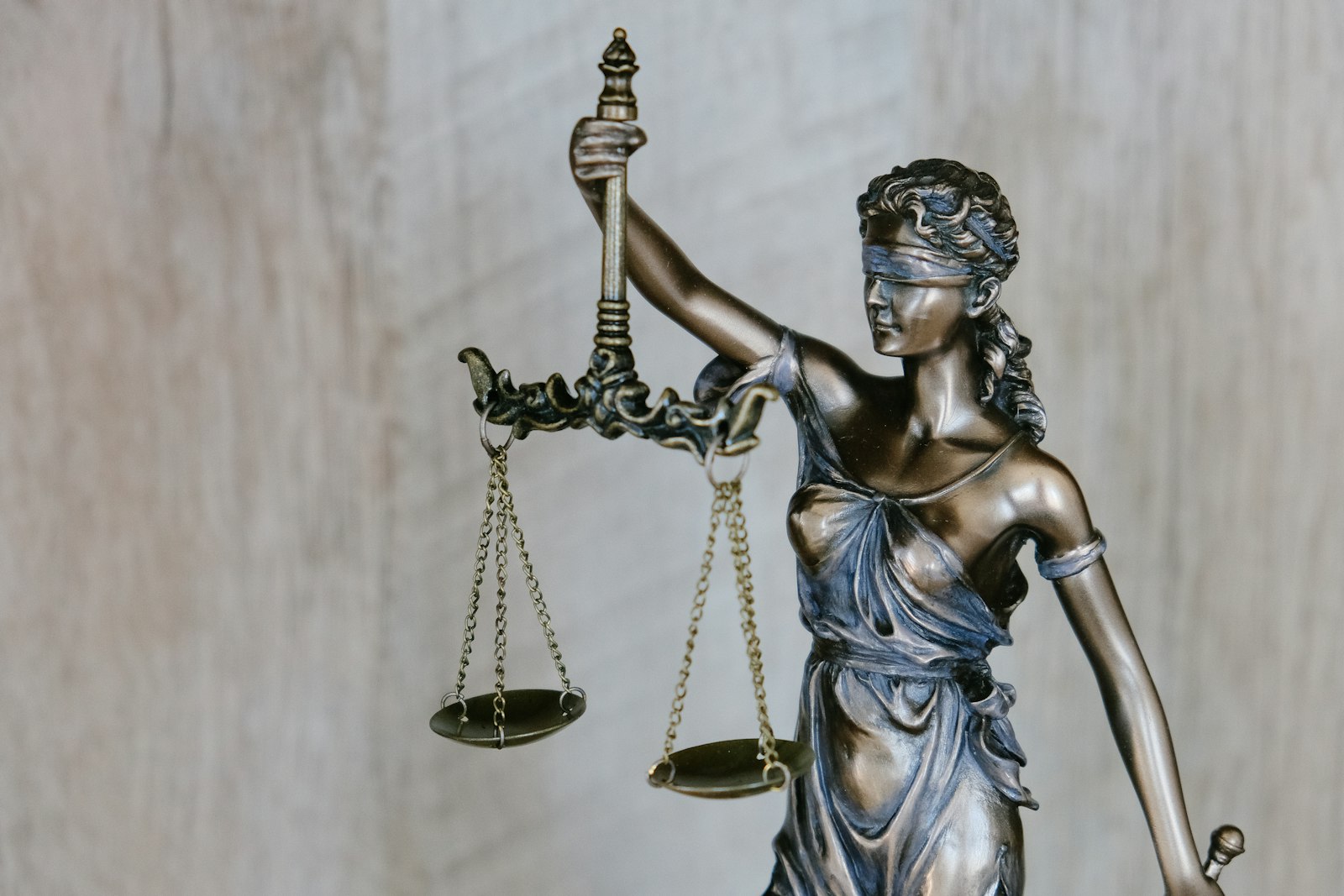
Judicial Diversity: Why Representation Matters in the Judiciary
Examining why diversity in the judiciary improves outcomes and how to increase representation.
Judicial Diversity: Why Representation Matters in the Judiciary
The Diversity Problem
The American judiciary lacks diversity:- Women make up only 35% of federal judges
- Racial minorities represent only 30% of federal judges
- LGBTQ+ judges are extremely rare
- Judges tend to come from wealthy backgrounds
Why Diversity Matters
Different Perspectives
Judges from diverse backgrounds bring different perspectives to cases, leading to better decisions.Reduced Bias
Diverse judiciaries are less likely to exhibit systemic bias against particular groups.Public Trust
Communities are more likely to trust judges who look like them and understand their experiences.Role Models
Diverse judges serve as role models for young people from underrepresented groups.Legitimacy
A diverse judiciary has greater legitimacy than a homogeneous one.Research on Judicial Diversity
Studies show that diversity improves judicial outcomes:Gender Diversity
Female judges are more likely to rule in favor of women's rights and gender equality.Racial Diversity
Judges of color are more likely to rule fairly in cases involving racial minorities.Socioeconomic Diversity
Judges from working-class backgrounds are more likely to understand the challenges faced by poor litigants.Barriers to Judicial Diversity
Selection Processes
Judicial selection processes often favor candidates from privileged backgrounds:- Political connections matter more than merit
- Informal networks exclude outsiders
- Bias in evaluation processes
Pipeline Issues
The legal profession itself lacks diversity:- Law schools admit fewer students from underrepresented groups
- Minority attorneys face discrimination in law firms
- Fewer minority attorneys reach the seniority needed for judicial appointment
Bias and Discrimination
Explicit and implicit bias affects judicial selection:- Judges may be stereotyped as less qualified
- Judges may face discrimination from colleagues
- Judges may face pressure to conform to majority culture
Solutions for Increasing Diversity
Merit-Based Selection
Using objective criteria rather than political connections improves diversity.Affirmative Action
Considering diversity as a factor in judicial selection increases representation.Pipeline Development
Investing in legal education and mentorship for underrepresented groups increases the pool of qualified candidates.Bias Training
Training selection committees to recognize and overcome bias improves diversity.Transparency
Publishing information about judicial selection processes and outcomes creates accountability.Successful Examples
Several jurisdictions have successfully increased judicial diversity:California
California's diverse judiciary reflects the state's diverse population.New York
New York has made significant progress in increasing judicial diversity.Federal Level
Recent appointments have increased diversity on the federal bench.Conclusion
A diverse judiciary is a fair judiciary. By removing barriers and actively promoting diversity, we can create a judicial system that truly represents all Americans.References & Citations
This article references the following authoritative sources on judicial conduct and ethics:
- ABA Model Code of Judicial Conduct - American Bar Association
- Code of Conduct for United States Judges - U.S. Courts
- Judicial Conduct and Disability Act (28 U.S.C. §§ 351–364) - Cornell Law
- Judicial Conduct & Disability Overview - U.S. Courts
- Federal Judicial Center Resources - FJC
- Supreme Court Code of Conduct (2023) - Supreme Court
--- Diversity in the judiciary strengthens justice and serves all communities better.
Related Data & Visualizations
The following charts provide additional context and data related to this article's topic.
Trust Score Distribution
Distribution of trust scores across all tracked judges
Created by John Adams Inquirer • Based on Federal Judicial Center data
Judicial Complaint Trends (2025)
Monthly trends in misconduct complaints and ethics violations
Created by John Adams Inquirer • Based on judicial conduct commission reports
About Our Graphics
Graphics, charts, and diagrams marked with "JAI Original" or "Created by John Adams Inquirer" are original works produced by our team to help illustrate complex judicial accountability issues. These visuals are designed to make information more accessible and are based on our research and analysis.
Topics
John Adams Inquirer Investigation
This article is part of our ongoing investigation into judicial accountability. All graphics and illustrations marked as "Created by John Adams Inquirer" are original works.