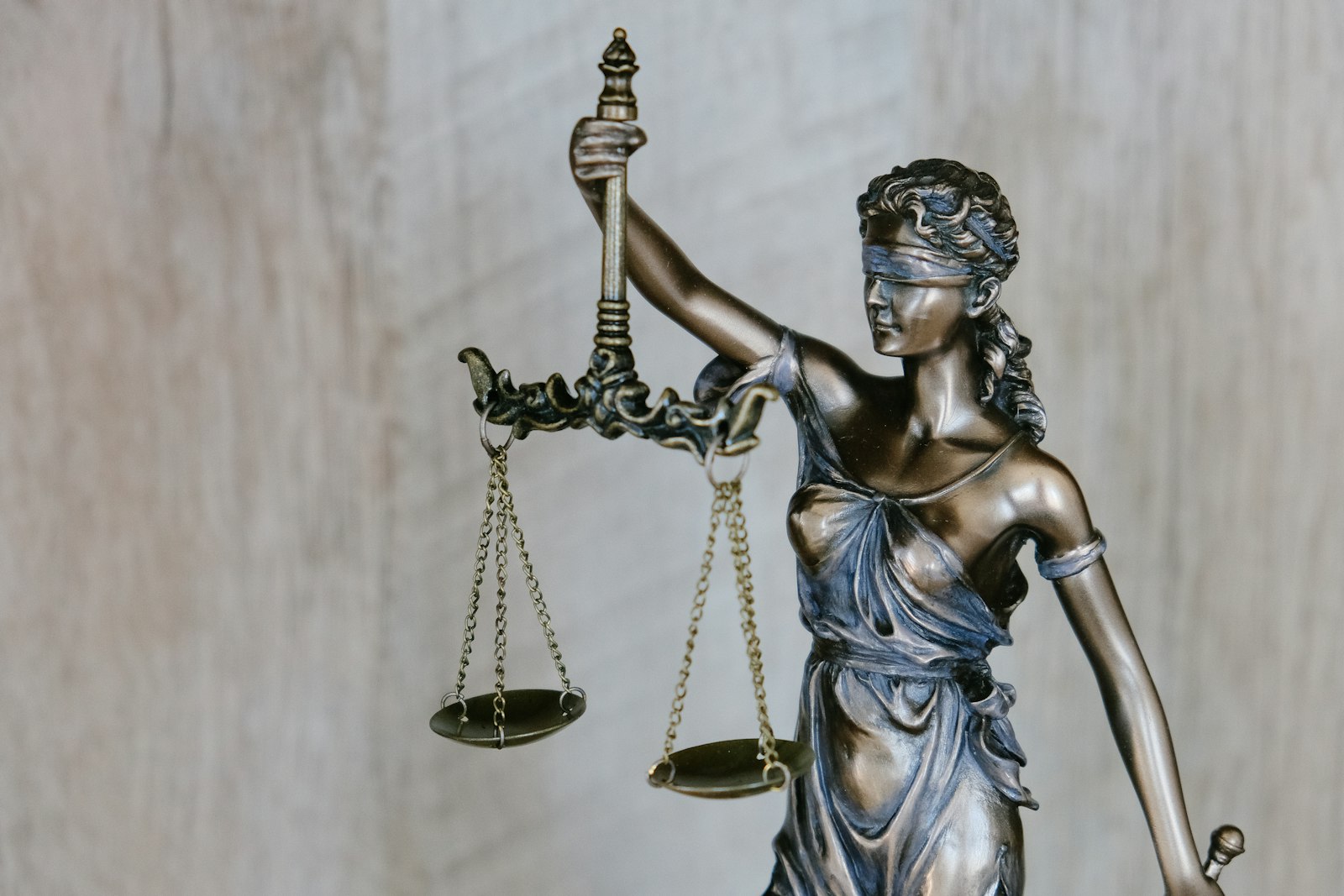
Equal Access to Justice: Breaking Down Barriers for All Citizens
Exploring the barriers that prevent equal access to justice and strategies for removing them.
Equal Access to Justice: Breaking Down Barriers for All Citizens
The Access to Justice Crisis
Despite the promise of equal justice under law, many Americans cannot access the legal system:- 80% of low-income people cannot afford legal representation
- Rural areas often lack adequate legal services
- Minorities face systemic barriers to justice
- Immigrants face language and cultural barriers
Barriers to Access
Cost
Legal representation is prohibitively expensive for most Americans:- Average attorney fees: $300-500 per hour
- A simple divorce can cost $5,000-15,000
- Litigation can cost hundreds of thousands of dollars
Complexity
The legal system is extremely complex:- Thousands of rules and procedures
- Specialized terminology
- Complex forms and documents
Geographic Barriers
Legal services are concentrated in urban areas:- Rural areas often lack attorneys
- Travel costs make legal services inaccessible
- Video conferencing can help but is not yet widely available
Language Barriers
Non-English speakers face significant barriers:- Court proceedings often conducted only in English
- Interpreters are not always available
- Legal documents are written in complex English
Discrimination
Systemic discrimination affects access to justice:- Racial minorities face bias in the legal system
- Women face gender-based discrimination
- LGBTQ+ individuals face discrimination
- Immigrants face xenophobia
Solutions for Improving Access
Legal Aid Programs
Expanding legal aid programs provides free or low-cost legal services to those who cannot afford them.Pro Bono Services
Encouraging attorneys to provide free legal services to those in need.Simplified Procedures
Creating simplified procedures for routine cases makes the system more accessible.Technology Solutions
Online legal services, AI-powered legal assistants, and video conferencing improve access.Community Legal Centers
Establishing legal centers in underserved communities provides local access to legal services.Language Services
Providing interpretation and translation services ensures language is not a barrier.Diversity and Inclusion
Increasing diversity in the legal profession improves cultural competence and reduces discrimination.Successful Programs
Several programs have successfully improved access to justice:Legal Aid Organizations
Organizations like Legal Aid Society provide free legal services to millions.Law School Clinics
Law school clinics provide free legal services while training future attorneys.Online Legal Services
Services like LegalZoom and Rocket Lawyer make legal services more affordable.Community Mediation Centers
Mediation centers resolve disputes without expensive litigation.Conclusion
Equal access to justice is not a luxury—it is a fundamental right. By removing barriers and implementing effective solutions, we can ensure that all Americans have access to the legal system.References & Citations
This article references the following authoritative sources on judicial conduct and ethics:
- ABA Model Code of Judicial Conduct - American Bar Association
- Code of Conduct for United States Judges - U.S. Courts
- Judicial Conduct and Disability Act (28 U.S.C. §§ 351–364) - Cornell Law
- Judicial Conduct & Disability Overview - U.S. Courts
- Federal Judicial Center Resources - FJC
- Supreme Court Code of Conduct (2023) - Supreme Court
--- Justice should not depend on wealth. Equal access to justice strengthens democracy.
Related Data & Visualizations
The following charts provide additional context and data related to this article's topic.
Trust Score Distribution
Distribution of trust scores across all tracked judges
Created by John Adams Inquirer • Based on Federal Judicial Center data
Judicial Complaint Trends (2025)
Monthly trends in misconduct complaints and ethics violations
Created by John Adams Inquirer • Based on judicial conduct commission reports
About Our Graphics
Graphics, charts, and diagrams marked with "JAI Original" or "Created by John Adams Inquirer" are original works produced by our team to help illustrate complex judicial accountability issues. These visuals are designed to make information more accessible and are based on our research and analysis.
Topics
John Adams Inquirer Investigation
This article is part of our ongoing investigation into judicial accountability. All graphics and illustrations marked as "Created by John Adams Inquirer" are original works.