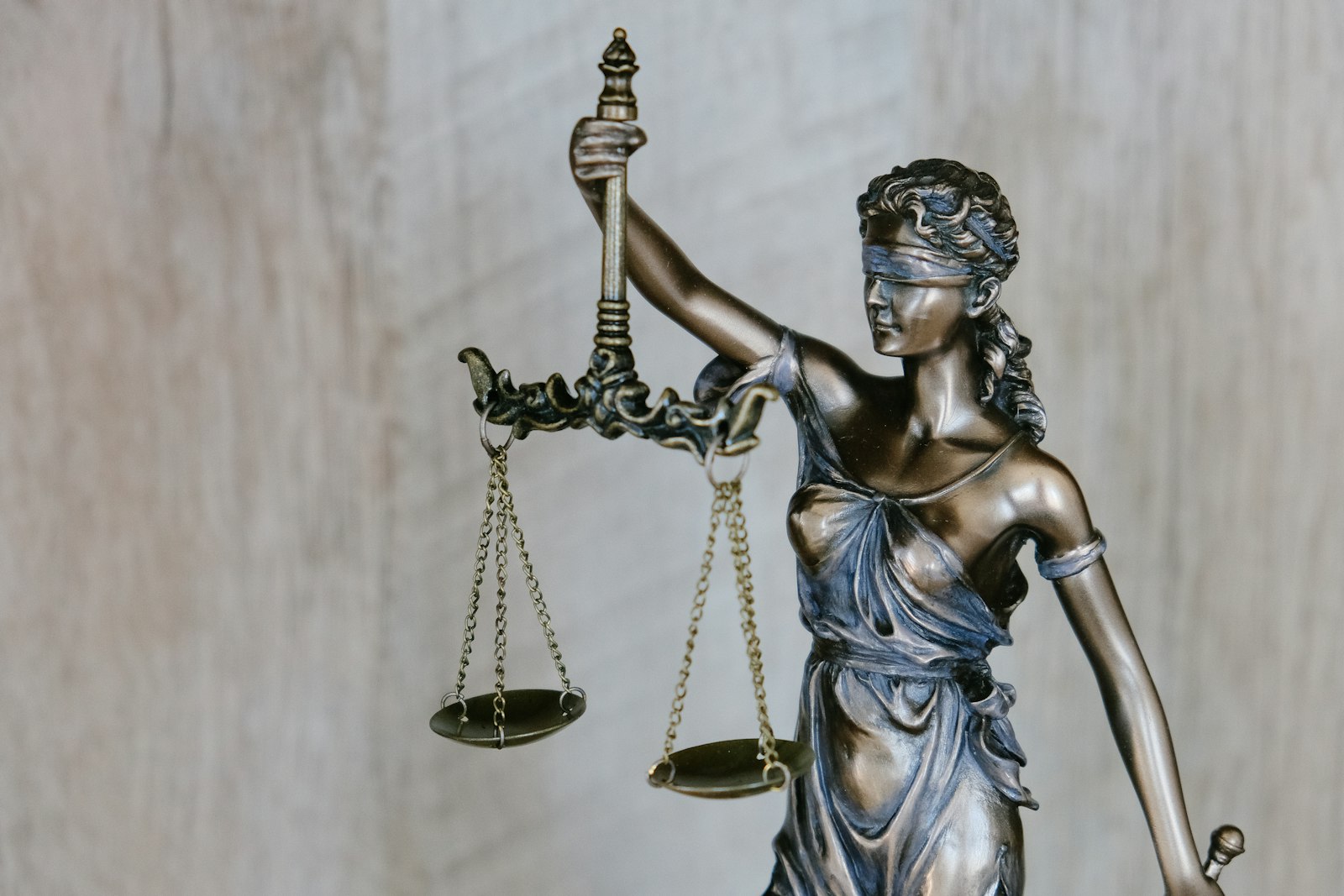
Court System Modernization: How AI Can Reduce Judicial Workload
Explore how artificial intelligence and modern technology can help courts manage overwhelming caseloads and improve efficiency.
Court System Modernization: How AI Can Reduce Judicial Workload
The Judicial Workload Crisis
American courts face an unprecedented workload crisis:- Federal courts handle over 2 million cases annually
- State courts process millions more
- Average case processing times exceed 2-3 years in many jurisdictions
- Judges report working 50+ hour weeks regularly
How AI Can Help Courts
Modern artificial intelligence offers powerful solutions:Case Triage and Prioritization
AI systems can analyze cases and prioritize them based on complexity, urgency, and legal issues, helping courts allocate resources more effectively.Document Analysis
AI can quickly review and summarize thousands of pages of legal documents, saving judges and attorneys enormous amounts of time.Legal Research Assistance
AI-powered legal research tools can identify relevant precedents and statutes much faster than manual research.Bias Detection
Machine learning algorithms can analyze judicial decisions to identify potential bias patterns, helping courts address systemic fairness issues.Predictive Analytics
AI can predict case outcomes based on historical data, helping litigants understand their likely results and potentially encouraging settlement.Scheduling Optimization
AI can optimize court schedules to reduce delays and improve efficiency.Real-World Examples
Several jurisdictions have successfully implemented AI solutions:Estonia's Digital Courts
Estonia has created fully digital court systems that process cases 10 times faster than traditional courts.China's AI Judges
Chinese courts use AI systems to handle routine cases, freeing human judges for complex matters.U.S. Pilot Programs
Several U.S. courts are piloting AI systems for document review and case analysis with promising results.Addressing Concerns About AI in Courts
While AI offers tremendous potential, legitimate concerns must be addressed:Algorithmic Bias
AI systems can perpetuate and amplify human biases. Rigorous testing and oversight are essential.Transparency
AI decision-making must be explainable and subject to human review.Human Judgment
AI should augment human judgment, not replace it. Final decisions must remain with human judges.Privacy Protection
Court systems must protect sensitive personal information processed by AI systems.The Path Forward
Courts that embrace modern technology while maintaining human oversight can:- Reduce case processing times by 30-50%
- Improve access to justice for all litigants
- Allow judges to focus on complex legal issues
- Enhance fairness through bias detection
Conclusion
Modernizing court systems with AI is not about replacing judges—it is about giving them the tools they need to serve justice more effectively. By embracing technology, courts can reduce workload pressures and improve outcomes for all parties.References & Citations
This article references the following authoritative sources on judicial conduct and ethics:
- ABA Model Code of Judicial Conduct - American Bar Association
- Code of Conduct for United States Judges - U.S. Courts
- Judicial Conduct and Disability Act (28 U.S.C. §§ 351–364) - Cornell Law
- Judicial Conduct & Disability Overview - U.S. Courts
- Federal Judicial Center Resources - FJC
- Supreme Court Code of Conduct (2023) - Supreme Court
--- Technology and human judgment together create a more efficient and fair judicial system.
Related Data & Visualizations
The following charts provide additional context and data related to this article's topic.
Average Trust Score by Circuit
Comparison of average trust scores across federal circuit courts
Created by John Adams Inquirer • Aggregated from individual judge trust scores
About Our Graphics
Graphics, charts, and diagrams marked with "JAI Original" or "Created by John Adams Inquirer" are original works produced by our team to help illustrate complex judicial accountability issues. These visuals are designed to make information more accessible and are based on our research and analysis.
Topics
John Adams Inquirer Investigation
This article is part of our ongoing investigation into judicial accountability. All graphics and illustrations marked as "Created by John Adams Inquirer" are original works.